Compare Local Contractors for Commercial Roof Installation Success
Compare local contractors to define project scope, verify experience, and set clear expectations for your commercial roof installation.
Commercial roof installation projects typically encompass a range of work focused on replacing or installing roofing systems on commercial properties. This can include preparing the roof deck, selecting appropriate roofing materials, ensuring proper insulation, and handling the installation process to meet the building’s structural and functional requirements. The scope of work may vary depending on the type and size of the building, the chosen roofing system, and any specific building codes or standards that need to be met. Clear communication about the scope helps property owners understand what is included and ensures that the project aligns with their operational needs and expectations.
Defining the scope of work is a crucial step in the process of selecting a contractor for commercial roof installation. A well-detailed scope outlines the specific tasks, materials, and responsibilities involved, reducing the risk of misunderstandings or incomplete work. It also provides a basis for comparing proposals from different service providers, allowing property owners to evaluate how each contractor plans to approach the project. Having a written scope helps set clear expectations, facilitates better project management, and can serve as a reference point if any issues arise during the work.
When comparing local contractors for commercial roof installation, property owners should consider factors such as experience with similar projects, reputation within the community, and the clarity of their proposals. It’s advisable to review the scope of work each contractor offers, ensuring it covers all necessary aspects of the project. Asking for references or examples of completed work can provide insight into their capabilities. Additionally, verifying that the contractors provide detailed written estimates and scope documents can help ensure transparency and aid in making an informed decision. Proper comparison and due diligence are key to selecting a reliable service provider capable of meeting specific project requirements.
Compare local contractors by outlining project priorities, verifying experience, and setting clear expectations in writing.
- Compare Contractor Credentials - Review the experience and qualifications of local contractors to ensure they meet project requirements.
- Define Project Scope Clearly - Establish detailed work descriptions to set accurate expectations for the installation process.
- Verify Past Work and References - Check previous projects and references to assess the quality and reliability of service providers.
- Document Agreements in Writing - Ensure all project details, responsibilities, and expectations are outlined in a formal contract.
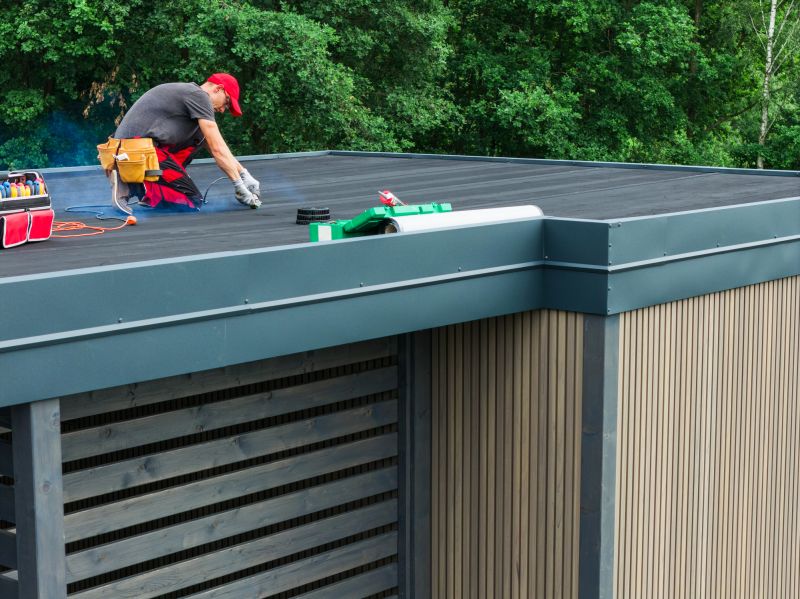
Clearly describe your commercial roof project to effectively compare local contractors, verify experience, and set written expectations.
- Verify the experience and reputation of local contractors specializing in commercial roof installation. - Ensure service providers can clearly define the scope of work and materials to be used in writing.
- Check that contractors are familiar with the specific roofing systems suitable for commercial buildings. - Confirm that they follow proper installation procedures for the chosen roofing type.
- Assess the contractors’ ability to provide detailed project plans and specifications upfront. - Look for providers who can outline the key steps and expectations for the installation process.
- Confirm that service providers have appropriate insurance coverage to protect against potential liabilities. - Verify that documentation is available to demonstrate coverage and compliance.
- Compare how different local contractors approach project management and communication during the installation. - Choose providers who prioritize clear and consistent updates in writing.
- Ensure that all work details, warranties, and responsibilities are documented in a comprehensive contract. - Make sure the contract clearly states the scope, materials, and any other relevant terms.
Use this to compare local contractors, clarify project scope, verify experience, and set clear expectations.

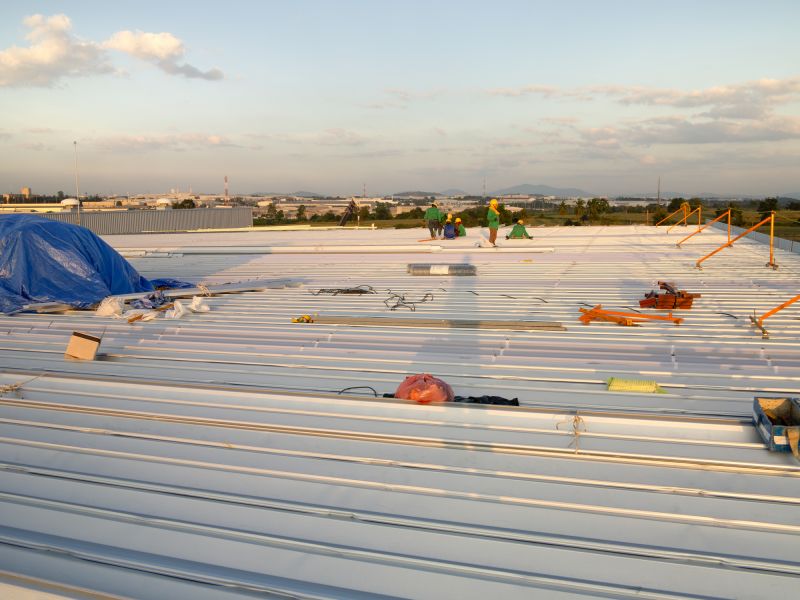


To ensure consistent comparisons, focus on defining scope, verifying experience, and documenting expectations clearly with local contractors.
- Scope Definition - Clearly outline the specific roofing materials, layers, and system components to be installed or replaced.
- Experience Verification - Confirm that the service providers have relevant experience with commercial roof installation projects of similar size and complexity.
- Material Specifications - Specify the types, brands, and quality standards of roofing materials to ensure consistency and durability.
- Workmanship Standards - Establish expectations for installation procedures, quality control measures, and compliance with building codes.
- Written Agreement - Document all project details, scope of work, and responsibilities to ensure mutual understanding between property owners and service providers.
When evaluating contractors for commercial roof installation, it is important to consider their experience with similar projects. Service providers who have a proven track record working on commercial roofs comparable in size, design, or material can offer insights into the specific challenges and requirements of such projects. Inquiring about their past work with businesses or facilities similar to the current site helps ensure that the contractor understands the unique demands of commercial roofing and can deliver results aligned with industry standards.
Having a clear, written scope of work is essential for establishing mutual understanding and setting expectations. A comprehensive scope should detail the materials to be used, the extent of work to be performed, and any specific project requirements. This documentation serves as a reference point throughout the project, reducing ambiguities and providing a foundation for accountability. When comparing service providers, it is worthwhile to review how thoroughly each contractor defines their scope and whether they are willing to put all project details in writing.
Verification of a contractor’s basic credentials involves checking their experience with similar projects and assessing their understanding of the work involved. It is advisable to ask for references or examples of completed projects that match the scope of the current project. Additionally, confirming that the contractor has appropriate insurance coverage and follows safety protocols can help protect the property and ensure a professional approach. While official licensing and certification are not part of this comparison, gathering evidence of relevant experience and reputable work is a key step in evaluating options.
Evaluating options without focusing on prices involves examining how well each contractor’s proposal aligns with project needs and expectations. Consider how each service provider communicates their approach, the clarity of their scope, and their level of experience. Comparing the details of their proposals can reveal differences in professionalism, attention to detail, and understanding of the project’s requirements. This process helps identify the best fit based on expertise, clarity, and reliability, ensuring that the chosen contractor can deliver quality work consistent with the project’s goals.
Ask contractors to provide written scope and details to ensure clear expectations and consistent project understanding.
- Experience with Commercial Roof Installation - What specific experience do local contractors have with projects similar in scope and size?
- Scope of Work Definition - How clearly do contractors outline the work included and any potential exclusions in their proposals?
- Material and Method Options - What options do local service providers recommend for roofing materials and installation methods?
- Project Expectations in Writing - Are all project details, responsibilities, and expectations documented clearly in the contract?
- Comparison of Contractor Approaches - How do different local contractors’ approaches to installation and scope management compare?
How can I compare commercial roof installation contractors effectively? To compare contractors, review their experience with similar projects, verify references, and assess their ability to define clear scope and expectations in writing.
What should I look for when evaluating a roofing contractor’s experience? Focus on contractors with extensive experience in commercial roof installation, especially with the specific roofing systems and materials relevant to the project.
Why is it important to have a written scope of work? A detailed, written scope helps ensure all parties agree on the project’s parameters, materials, and responsibilities, reducing misunderstandings later.
How can I verify a contractor’s reliability before hiring? Check references, review past project portfolios, and confirm that the contractor has a solid reputation for completing projects to specifications.
What key information should be included in a contract for commercial roof installation? The contract should outline project scope, materials, specifications, responsibilities, and expectations to provide clear guidance for the work.
How do I ensure a contractor can handle the specific requirements of my commercial roof? Discuss the project details with potential contractors, ask about their experience with similar roofs, and verify their understanding of the scope before proceeding.
Understanding the key aspects of commercial roof installation can help in making informed decisions. Visitors learned how to compare local contractors by defining the scope of work, verifying experience, and ensuring all expectations are clearly set in writing. This approach helps in identifying service providers who are well-suited to meet specific project needs.
Using the quote form allows for easy comparison of local service providers specializing in commercial roof installation. It provides a straightforward way to connect with experienced contractors, helping to find the right fit for the project without the need for direct outreach.